
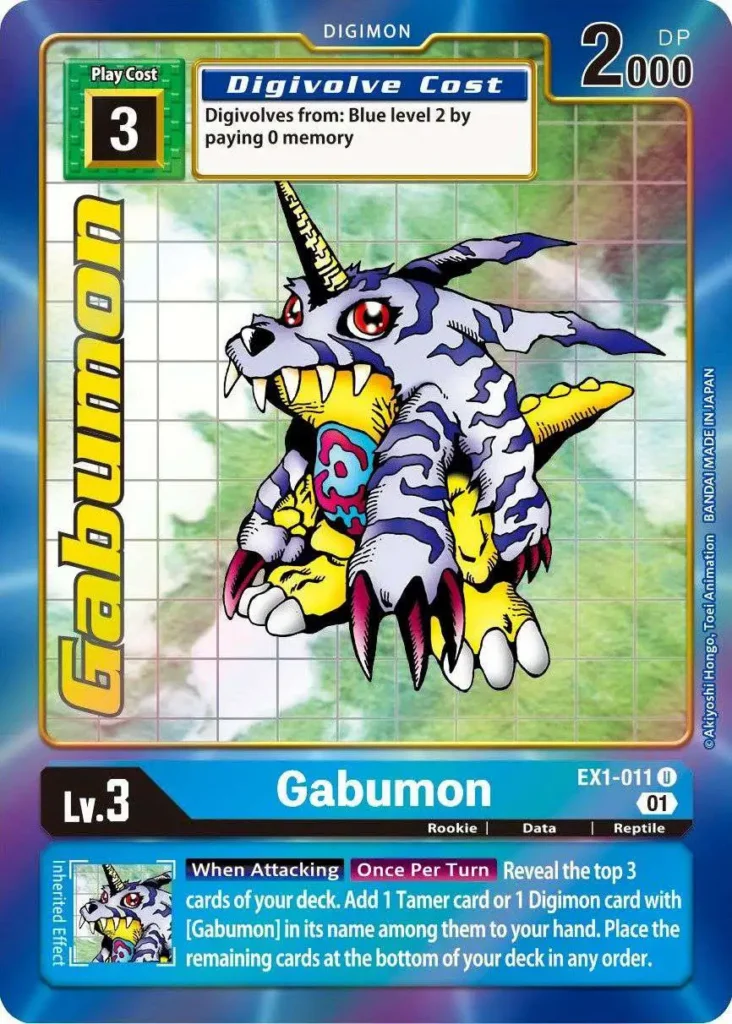
digimon cards should feel like a card collector guide, not a broad One Piece choice. The real decision usually comes down to artwork, rarity, condition, language, version, binder fit. Also, check whether the seller shows the actual card clearly.
In practice, a natural starting point is the collector goal: one favorite character card, a clean binder page, a giftable single, or a more protected display copy. Once that goal is clear, price and condition become much easier to judge.
Start With the Digimon Cards Buyer Goal
Digimon Cards can mean different things depending on whether the collector wants to play, collect, gift, or complete a binder page. A player may care about deck usefulness and sealed product value. Meanwhile, a collector may care more about artwork, rarity, condition, and long-term display appeal. That distinction should lead the whole article. For digimon cards, I would not push every option as equally useful. Starter decks, booster boxes, singles, card lots, and protected collector pieces each solve a different problem, so the collector needs to know which path fits their reason for buying.
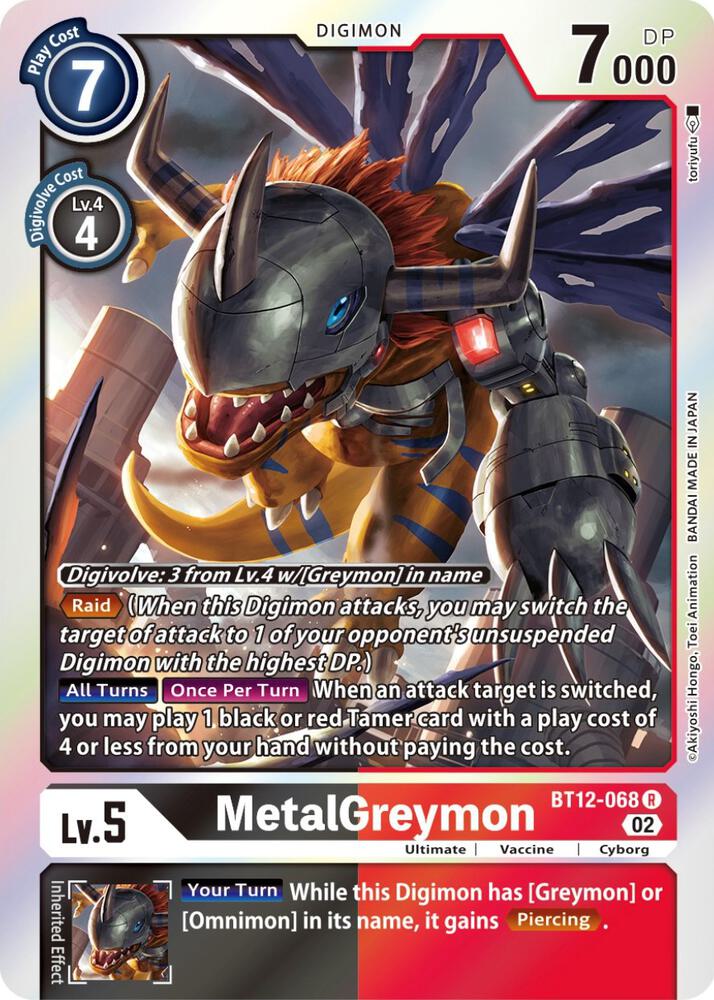
Singles, Starter Decks, and Booster Boxes
For example, for cards, singles are best when the buyer wants one exact character, artwork, rarity, or deck piece. Starter decks are better for someone who wants a playable entry point. Booster boxes or packs create excitement, but they are less predictable if the buyer is chasing one specific card. this choice should make the choice feel honest. Opening sealed product can be fun, but it is not the most efficient way to get a target card. Singles are less dramatic but usually clearer. a stronger choice explains that tradeoff instead of pretending every format has the same value.
The strongest detail around digimon cards is the one that removes guesswork. Clear photos, condition notes, sizing, version details, and seller proof make the choice easier to trust. If digimon cards remains clear after checking the details twice, the choice is usually stronger. It is usually the one that fits the fan, the room, the outfit, the story, or the collection with the least explanation. Good digimon cards advice slows down around the card’s future use. Opening packs, building a deck, protecting a binder page, and giving a sealed gift all change the value of condition, rarity, and shipping protection.
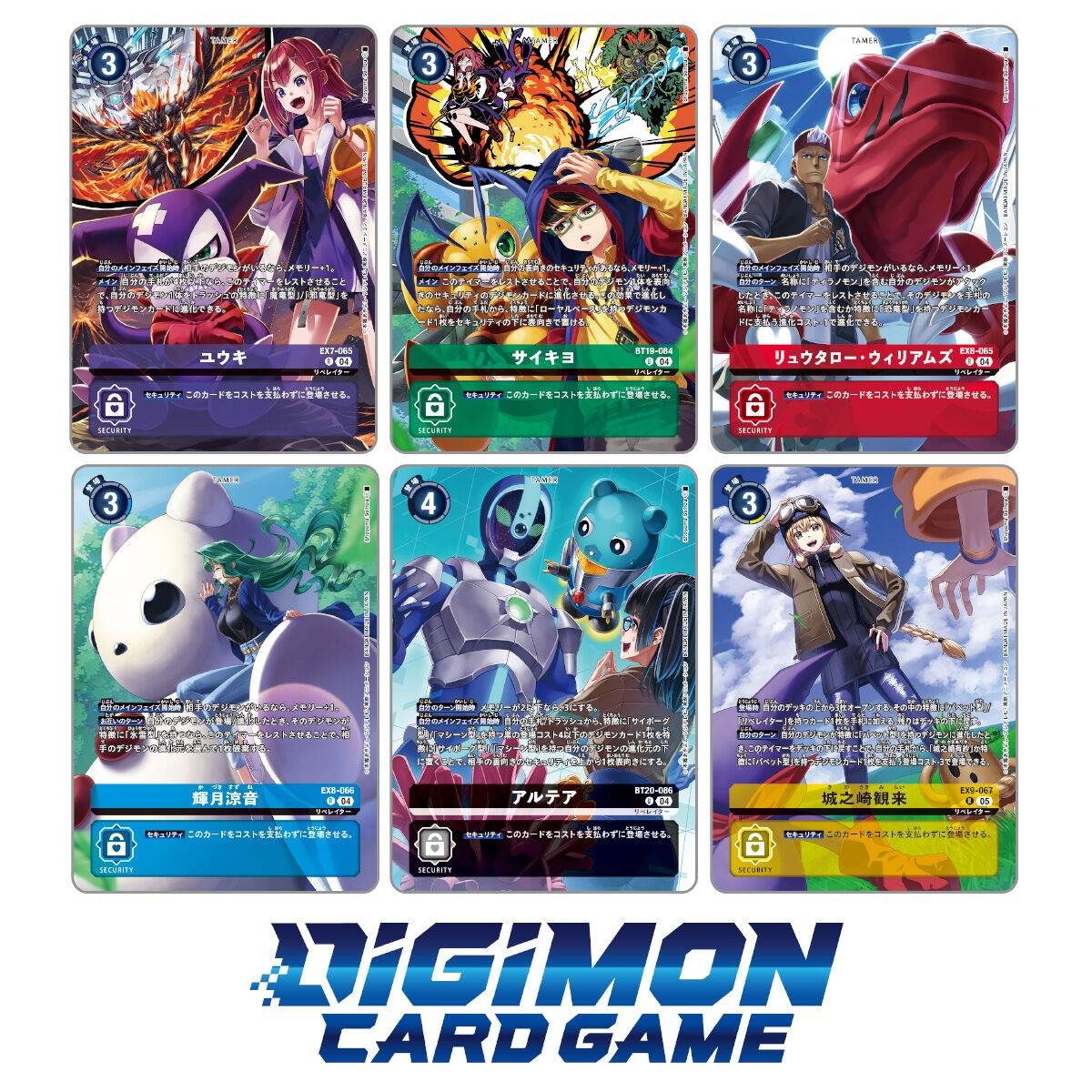
Still, for Digimon Cards, the safest comparison starts with the exact format: single card, sealed pack, booster box, starter deck, lot, graded copy, or binder piece. Each format carries a different mix of surprise, control, play value, and collector value. Shipping should match the card value. Sleeves, top loaders, cardboard support, team bags, rigid mailers, and tracked shipping can protect the condition that made the listing attractive in the first place.
Condition Photos, Corners, Edges, and Surface
Related Reading
The most important proof for digimon cards is visual condition. Front and back photos works best when it shows corners, edges, centering, surface marks, foil scratches, dents, and any sleeve, top loader, slab, or binder page shown in the listing. Condition words are not enough by themselves. Near mint, played, rare, official, or collector grade only matter when the photos support the claim. The safer listing is the one that makes condition easy to inspect before checkout. A natural closing keeps the focus on the same subject instead of adding a new angle at the last moment. That makes the whole piece feel more coherent.
Also, when the choice feels unclear, digimon cards should come back to visible proof: names, photos, condition, story role, styling, use case, or the reason the item matters now. Clear details make digimon cards easier to judge before checkout. A stronger card paragraph can compare two realistic paths instead of repeating checks. One path favors excitement and surprise, while another favors exact singles, cleaner condition, and long-term collecting value. Condition photos matter more than strong wording. Clear front and back shots, corners, edges, surface, centering, foil shine, and packaging protection make digimon cards much easier to judge before checkout.
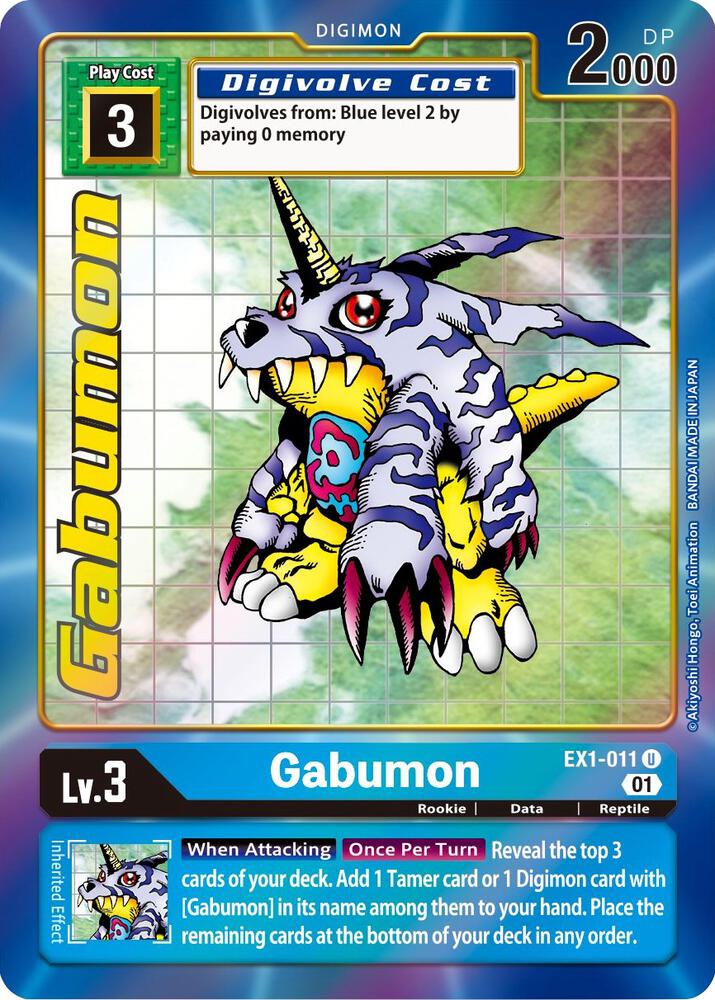
Card value becomes easier to judge when the exact version is named. Artwork, rarity, language, promo status, and front/back condition can change the whole purchase.
Rarity, Artwork, Language, and Version Details
That said, digimon Cards choices can change a lot by set, language, rarity, artwork, promo status, and print version. Two cards with similar names may not satisfy the same collector goal. That is why It helps to compare the version details, not only the character or series name. Artwork also matters emotionally. Some buyers want a dramatic battle image, some want a clean character portrait, and some only care about a card that completes a deck or binder section. Naming those goals makes the advice feel less mechanical. If one thing matters most about digimon cards, it is the practical distinction that makes the next choice or interpretation clearer.
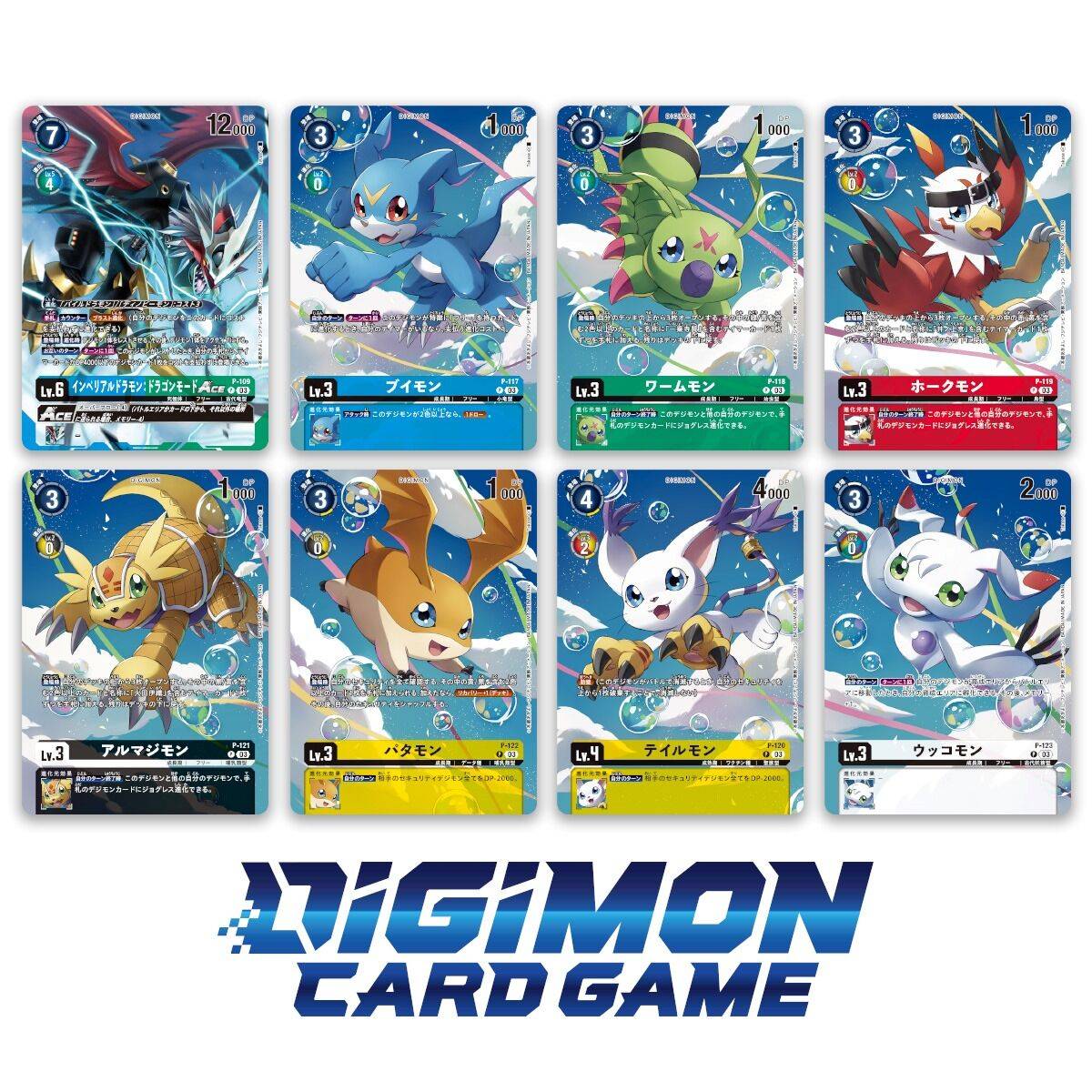
Another practical detail is timing. digimon cards can feel different when someone is buying quickly, learning the topic for the first time, or comparing a more personal choice for a collection or gift. That kind of slower judgment makes the topic feel more real because personal taste stays connected to visible proof. The most trustworthy digimon cards option answers small questions clearly. Exact photos, version names, card condition, packaging, and shipping protection work together instead of appearing as isolated filler.
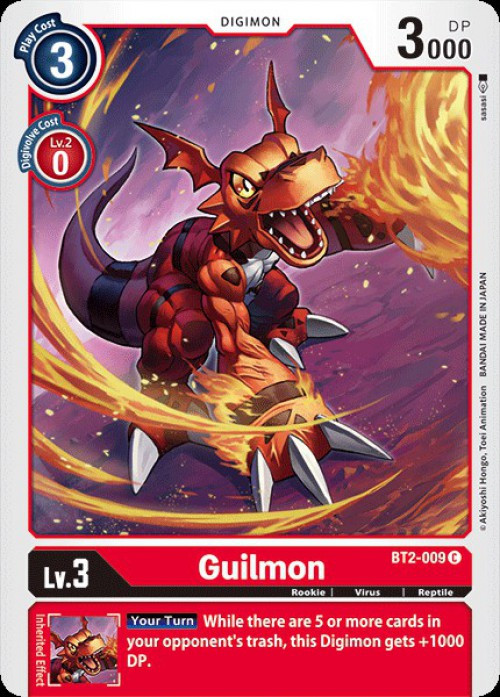
Instead, a player copy and a collector copy do not need the same standard. A playable card can have light wear if the price is fair. Meanwhile, a display or binder copy needs cleaner eye appeal and better protection. When two digimon cards listings look similar, the safer one usually shows the exact card, both sides, clear corners, and believable shipping protection.
Shipping Protection and Seller Trust
Cards need better shipping protection than many casual buyers expect. A sleeve, top loader, cardboard support, team bag, rigid mailer, or tracked shipping can matter. A clean digimon cards listing is only useful if the card arrives in the same condition. Seller trust comes from exact photos, consistent condition notes, clear packaging language, and realistic pricing. If a seller hides the back photo or uses only a stock image, the collector can slow down and compare a listing with better proof. A useful way to think about digimon cards is to connect the main idea to a concrete situation: a gift, shelf, outfit, binder, game night, character moment, or collection gap.
Before buying, I would also keep the visual side in mind. For digimon cards, images, styling, condition, pose, or presentation can change trust faster than a broad claim ever could. The better angle for digimon cards is not another checklist line. A sealed product, a single card, a starter deck, and a binder copy all create different expectations, so the real collecting or play goal comes first. Sealed Digimon Cards products are better for the opening experience, while singles are better for a precise target. That tradeoff keeps the purchase realistic instead of treating every card option as equally useful.
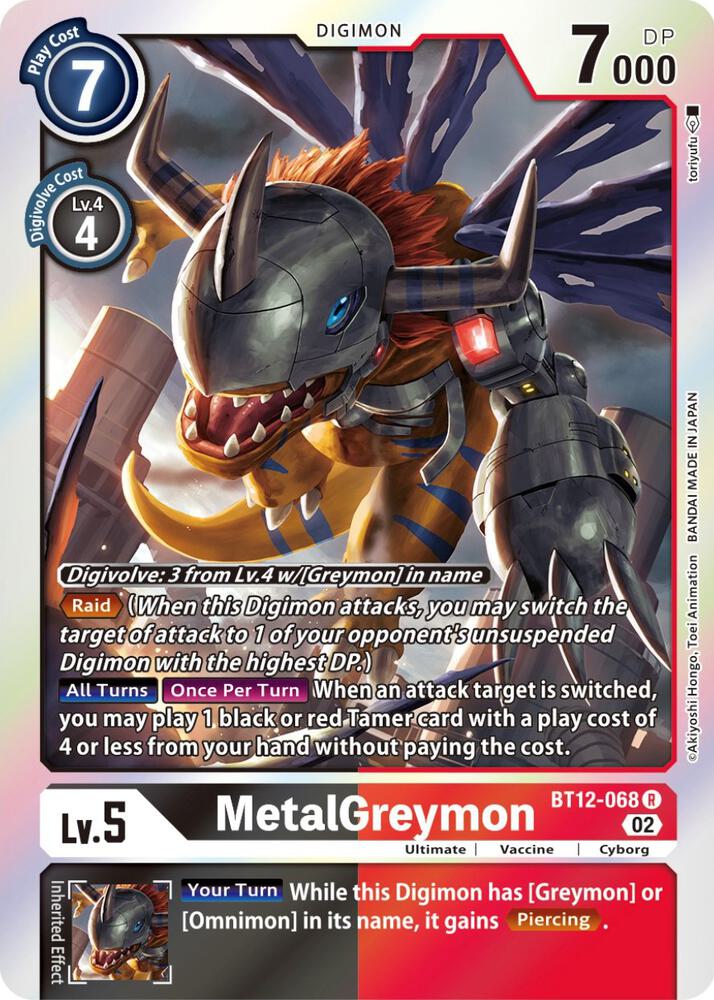
If the evidence feels thin, compare another Digimon Cards option with clearer front and back photos before treating the price as the deciding factor.
The Card Choice I Would Feel Safest Making
In practice, the safest Digimon Cards choice is the one that matches the buyer’s goal and shows enough evidence to support the price. For players, that may be a playable deck or specific single. For collectors, it may be a clean artwork card, a sealed product, or a version that fits a binder plan. Before deciding, compare at least two similar listings. The stronger choice should have clearer photos, better condition proof, sensible shipping, and a reason to buy beyond the excitement of the title.
More Specific Notes for Digimon Cards
For example, a more useful Digimon Cards comparison starts with partner identity. Agumon, Gabumon, Patamon, Gatomon, and other familiar partners do not create the same feeling on a shelf or in a collection, so The reader can think about which evolution line or partner bond matters most before comparing prices.
For digimon cards, small visual clues make the item feel more specific: claws, horns, wing shape, armor edges, eye paint, card artwork, or the way an evolution form is posed. Those details separate a piece that only says Digimon from one that reminds the fan of a particular season, partner, or battle memory.
Still, I would also compare how easy the item is to display with related characters. A single Agumon figure can work as a desk piece. But a pair like Agumon and Gabumon or a small evolution group can feel more complete. Cards and TCG items work differently because set, rarity, language, and play use matter as much as character love.
The safest digimon cards choice is the one that makes the exact version easy to understand. Clear naming, real photos, visible condition, and a product type that matches the fan’s goal matter more than a broad anime title. That keeps the purchase tied to Digimon instead of turning it into a generic collectible decision.
Want to discover more quality products? Visit our online store.
FAQ
What matters most about digimon cards?
The clearest takeaway is the context, the details that make digimon cards distinct, and the next step that makes the topic easier to explore.
Why is digimon cards worth a closer look?
It becomes more interesting when the main idea connects to examples, visible details, fan interest, or a practical decision.
How should a beginner approach this topic?
Start with the clearest version first, then compare more specific details once the basic context feels familiar.