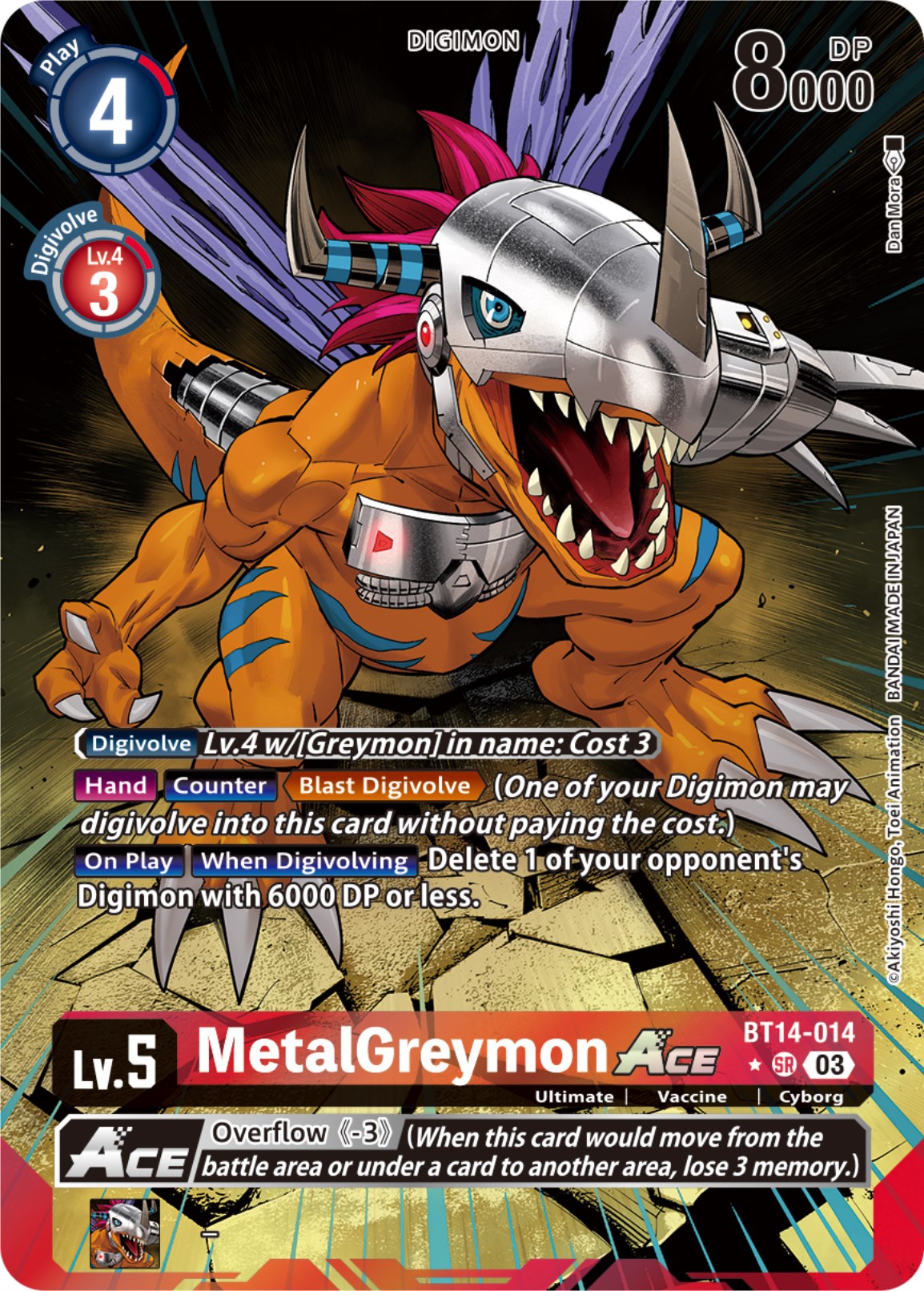
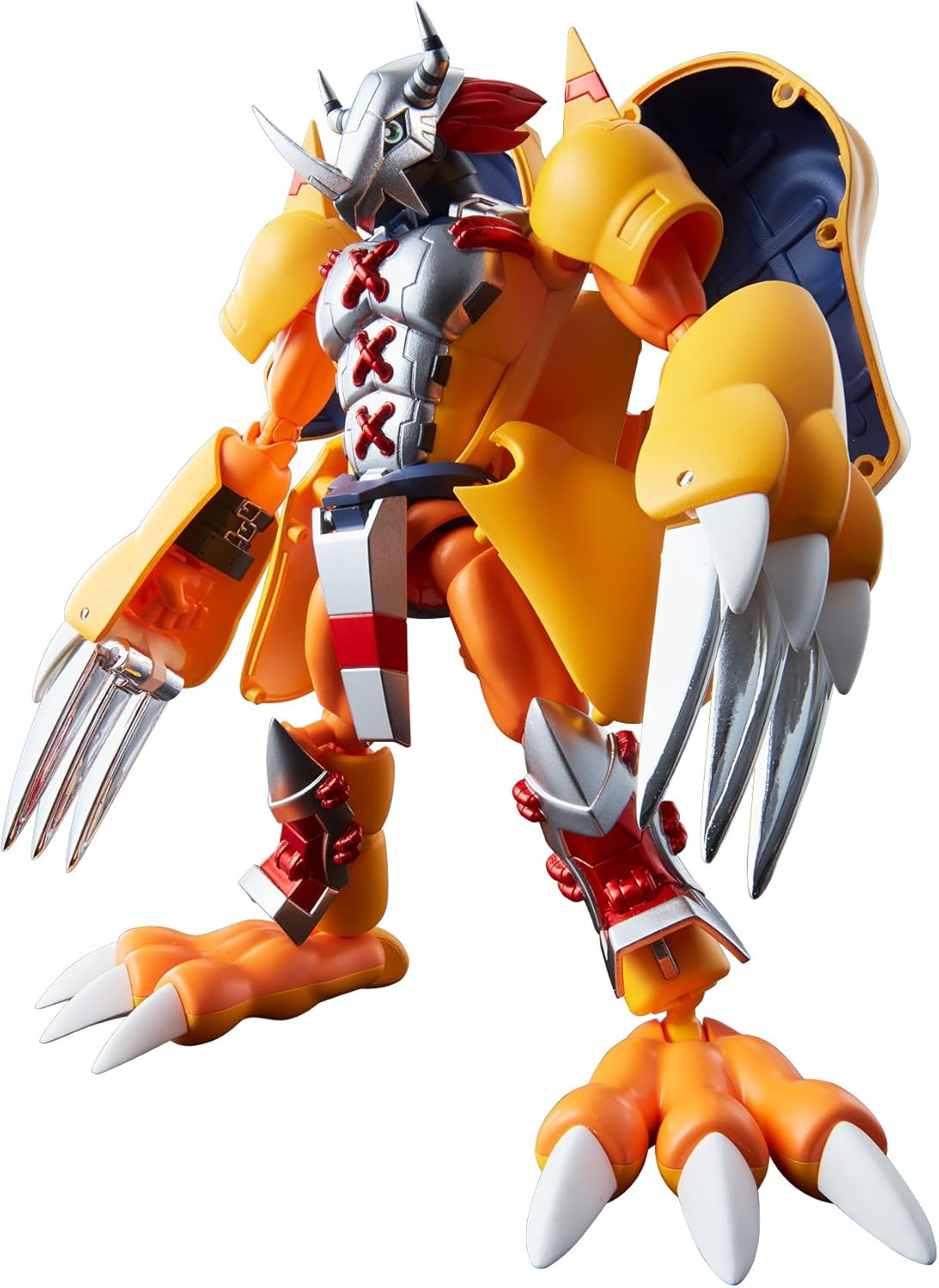
Best Digimon Cards Picks for Fans Who Want Something Worth Buying
Digimon cards can be a brilliant buy, but only if you know what kind of fan you are shopping for. A player wants usable decks and current support. A collector may care more about artwork, sealed condition, rarity, or a favorite Digimon line. A gift buyer probably just wants something that feels exciting without accidentally buying a random pile of bulk cards. The good news: there are smart ways to buy without treating every listing like a gamble.
This guide is written for fans, casual collectors, parents, partners, and returning anime viewers in the US and Europe who want practical advice rather than hype. I will focus on what is generally worth considering, what to avoid, and how to think about Digimon cards as playable items, display pieces, and fan merch.
What Makes Digimon Cards Worth Buying?
The best Digimon cards are not always the rarest ones. For most buyers, value comes from a mix of playability, artwork, condition, authenticity, and personal attachment. A card featuring a favorite partner Digimon can be more satisfying than a technically stronger card that means nothing to the person receiving it.
If you are buying for play, look at whether the cards fit an actual deck strategy. Digimon TCG decks usually care about color identity, evolution lines, memory management, tamers, options, and synergy between levels. A random shiny card may look great but do very little if it does not belong in the deck.
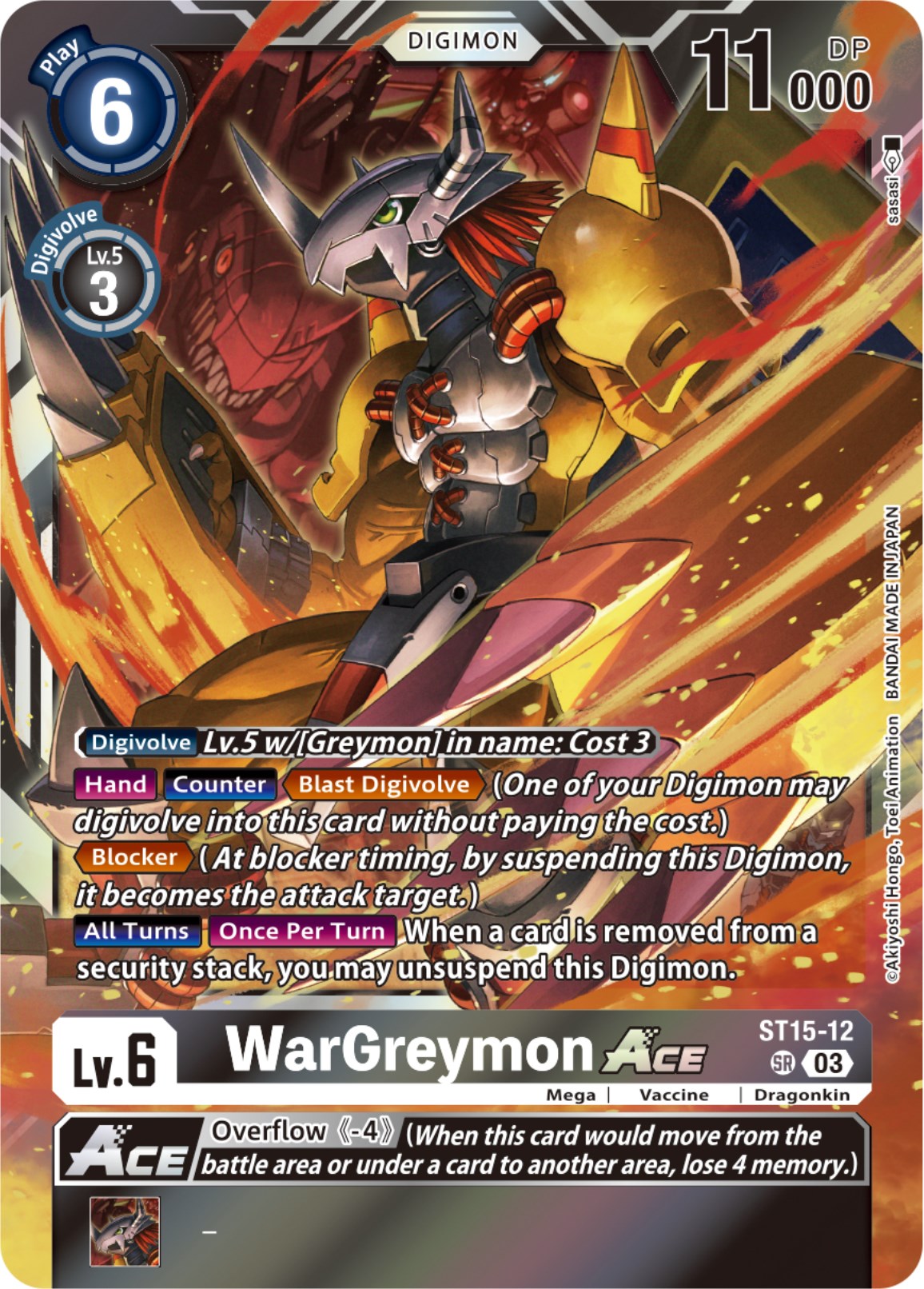
Collectors think differently. They may care about alternate art, clean foiling, character popularity, sealed products, or cards connected to iconic Digimon such as Agumon, Gabumon, Greymon, Garurumon, Angemon, Angewomon, Omnimon, Beelzemon, or Gatomon. That emotional link matters. Digimon is not just a card game brand; it is an anime memory for a lot of Western fans.
Gift buyers should avoid overcomplicating things. A sealed starter deck, a few booster packs, sleeves, or an official-style storage accessory often feels better than buying loose singles with no context. Unless the recipient has given you a wishlist, the safer pick is something complete, clean, and easy to enjoy right away.
Best Digimon Cards Picks by Buyer Type
For new players: starter decks are usually the cleanest entry point
If someone wants to actually play, a starter deck is often the most sensible first purchase. It gives them a playable structure, a clear color theme, and enough cards to understand the game without sorting through hundreds of unrelated singles. This is especially useful for younger fans, returning anime watchers, or anyone who has played other TCGs but not Digimon.
A good starter deck also makes the rules feel less intimidating. Digivolution, memory, security checks, and level-based progression are much easier to learn when the cards already work together. I would rather give a new player one coherent deck than ten flashy cards that do not connect.
When choosing one, check the product language, sealed condition, and whether it is meant for the Digimon Card Game rather than older vintage card lines. Digimon has had different card products over the years, and listings can sometimes be vague. For a practical Digimon cards buying guide, that distinction matters more than the artwork on the box.
For collectors: chase favorite Digimon before chasing hype
Collectors are often happiest when the card matches their personal fandom. Someone who grew up with Adventure may light up over Agumon, Gabumon, Patamon, or Kari-associated cards. A fan of darker designs might prefer Beelzemon, Devimon, or darker alternate art styles. A V-Tamer or Tamers fan may have entirely different priorities.
For display, condition is everything. Look for clear photos of the front, back, corners, edges, and surface. Foil cards can look beautiful in a binder page, but scratches, clouding, bends, and edge whitening can really change how premium they feel in person. If the listing uses only a stock image, ask for actual photos before paying collector prices.
I would also avoid buying based only on the word rare. Rarity terms can vary by set, region, seller, and product line. A card being rare does not automatically mean it is desirable, playable, or worth a premium. A better question is: would this card make the recipient happy every time they open the binder?
For casual fans: sealed boosters offer fun, not certainty
Booster packs are fun because opening them feels like a small event. That makes them good for birthdays, stocking fillers, game nights, and anime-themed gifts. The trade-off is obvious: you are paying for the experience, not guaranteed value.
If you are buying boosters, sealed packs from reputable retailers are safer than loose packs from unclear sources. Loose packs may be perfectly fine, but buyers should understand that trading card products can be weighed, searched, resealed, or mixed from opened boxes in some markets. I would not panic-buy every sealed product, but I would be selective about the seller.
For a casual fan, one or two sealed packs paired with sleeves or a small binder can feel more thoughtful than a larger pile of unknown cards. It gives them the fun of opening and somewhere to keep the best pulls.
Digimon Cards Buying Guide: What to Check Before You Pay
Start with the product type. Are you buying a starter deck, booster pack, booster box, single card, promo, binder lot, or older collectible item? Each has a different risk profile. Singles are best when you know exactly what you want. Starter decks are best for play. Boosters are best for opening fun. Binder lots can be good, but only if the photos and card list are clear.
Authenticity matters, especially with desirable singles and older collectibles. Check whether the seller provides real images, clear card backs, set identifiers, and close-ups. Look for consistent printing, normal card thickness, clean text, and correct layout. Most casual buyers do not need to become grading experts, but they should avoid listings with blurry photos, dramatic underpricing, or vague wording like style card when they expect official cards.
Condition language also deserves attention. Near mint should not mean scratched, bent, or heavily whitened. In practice, seller standards vary, so photos are more useful than labels. If the card is meant for a deck, light wear may be acceptable. If it is meant as a display piece or premium gift, condition should be much stricter.
For US and EU buyers, shipping is another real factor. Trading cards can be damaged by weak envelopes, moisture, or poor packing. For anything above casual value, look for top loaders, sleeves, cardboard support, tracked shipping, or a seller with strong packaging feedback. A beautiful card arriving with a bent corner is a very avoidable disappointment.
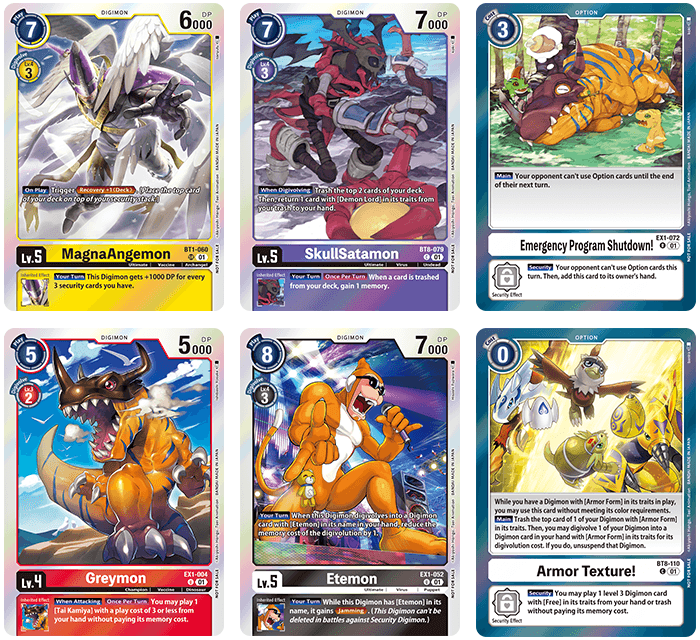
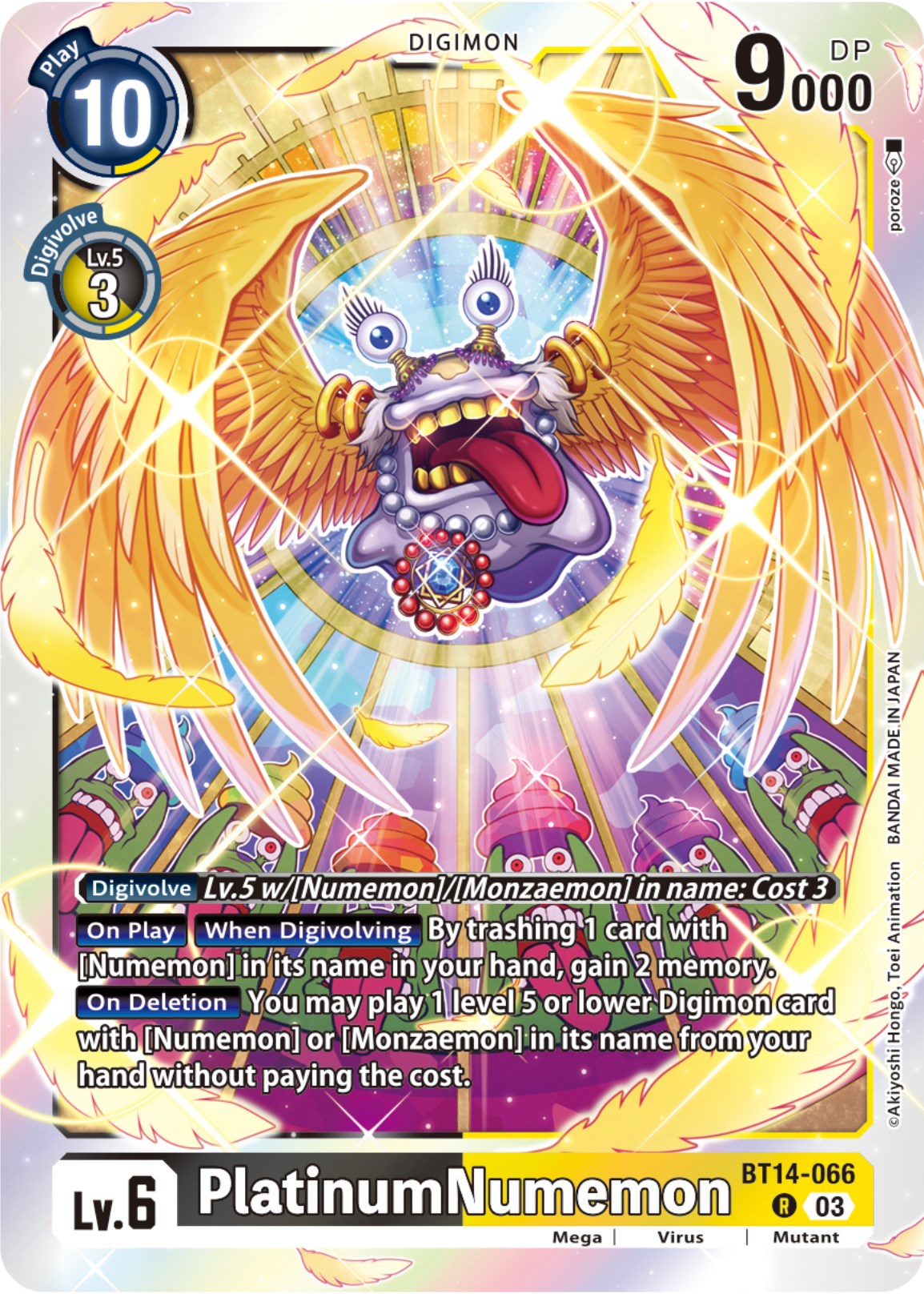
Best Formats to Buy: Singles, Packs, Decks, or Boxes? digimon cards Best Formats to Buy Singles Packs Decks or card collection
Singles are the most efficient choice when the buyer knows the exact card needed. Competitive players often prefer singles because it avoids opening random product hoping for one specific pull. Collectors also benefit from singles when chasing a favorite Digimon or completing a binder page.
The downside is that singles require knowledge. If you do not know the recipient’s deck, set preference, or favorite characters, you may choose something that looks impressive but misses the mark. For gifts, singles work best when you have a wishlist, a favorite Digimon, or a very clear collecting theme.
Booster packs and boxes: best for opening excitement
Boosters are emotional purchases. They are fun, social, and easy to gift. A few packs can turn into a mini event at a café, game night, convention hotel room, or holiday gathering. That experience has value, even if the pulls are not perfect.
A booster box is a bigger commitment and makes more sense for serious players, collectors, or someone who genuinely enjoys opening sealed product. If you are buying for a casual fan, a full box may be more than they need. If you are buying for a dedicated fan, make sure it is a set they actually want.
Starter decks: best all-around gift for play
Starter decks are not the flashiest option, but they are practical. They let someone play immediately, learn the rhythm of the game, and upgrade later. For a parent buying for a teenager, or a partner buying for someone who has mentioned wanting to try the game, this is usually the safest route.
I especially like starter decks as gifts because they do not require the recipient to already own a binder, deck box, or large collection. Add sleeves, and it becomes a complete beginner package.
Digimon Cards Gift Ideas That Feel Thoughtful
For collectors, try a small binder with a handful of character-focused cards. A fan of classic Digimon might appreciate cards featuring familiar partner lines, while someone into edgier designs may prefer darker Mega-level Digimon. The point is not to buy the most expensive card; it is to show that you noticed what part of the franchise they love.
The easiest gift bundle is a starter deck plus sleeves. It is simple, useful, and does not pretend you know every card in the metagame. Choose sleeves in a color that fits the deck, the recipient’s favorite Digimon, or a clean neutral shade like black, white, blue, or purple.
For anime-room display, consider a top-loader stand, magnetic holder, or small acrylic display combined with one standout card. This works well for shelves, desks, gaming setups, and convention haul displays. Cards with bold color contrast or dramatic alternate-style artwork usually display better than text-heavy cards from a distance.
For a lower-risk surprise, sealed boosters plus a storage accessory are strong Digimon cards gift ideas. The recipient gets the fun of opening something new, and the storage piece remains useful even if the pulls are not amazing.
Official Style, Fan Merch, and the Line Between the Two
When people search for digimon cards official style, they may mean different things. Some want officially licensed trading cards. Others want card-themed accessories, display items, or fan-made merch that visually matches the Digimon vibe. Those are not the same, and buyers should be clear about what they are paying for.
Official trading cards are the safer choice for play, collecting, and long-term compatibility with the game. If the card is intended for tournaments or serious deck building, it should be an official card in the correct language and format accepted by the event organizer. Always check local store rules if tournament play matters.
Fan merch can still be charming. Custom playmats, unofficial art prints, card display stands, stickers, and binder decorations can make a collection feel more personal. The key is not to confuse fan-made items with official cards. A custom card may be cool for display, but it should not be sold or bought as a real playable card.
If you are gifting, wording matters. I found this official starter deck sends a different message than I found this fan-made display piece. Both can be good gifts. Problems happen when expectations are blurred.
How to Avoid Common Buying Mistakes
The biggest mistake is buying a random bulk lot and expecting it to feel premium. Bulk lots can be useful for kids, crafting, casual sorting, or building a starter collection, but they often include many duplicates and less desirable cards. If the recipient is a serious collector, a messy bulk lot may feel more like clutter than a gift.
Another mistake is ignoring language and region. Many fans in the US, Canada, UK, and EU prefer English cards for easy reading and gameplay, while some collectors enjoy Japanese cards for artwork, nostalgia, or set differences. Neither is automatically better. Just make sure the language matches the recipient’s purpose.
Do not assume older means better. Vintage Digimon cards can be nostalgic, but condition, product line, and demand vary widely. Some older cards are wonderful collectibles; others are simply old. If you are not familiar with the specific card line, buy cautiously and rely on detailed photos.
Finally, be careful with too good to be true listings. Dramatically low prices, stolen-looking photos, unclear descriptions, and sellers who avoid questions are all reasons to slow down. A trustworthy purchase is usually worth more than saving a few dollars and worrying until the package arrives.
Display and Storage: Small Details That Protect the Fun
Cards feel better when they are stored properly. For playable decks, sleeves are almost mandatory if the cards will be shuffled often. A simple deck box prevents edge wear, spills, and backpack damage. For collectors, a side-loading binder with good pages can make the collection feel organized and safe.
Avoid leaving cards in direct sunlight, hot cars, damp basements, or loose stacks. Foil cards may curl depending on storage conditions, and paper products do not enjoy humidity. If the card is special, sleeve it first, then place it in a binder, top loader, or display case.
For room display, less is usually more. One strong card on a small stand beside a figure, manga volume, or gaming keyboard looks cleaner than twenty cards scattered across a shelf. If the fan already collects Digimon figures, a card featuring the same Digimon can create a neat mini display.
This is where Digimon cards fan merch becomes part of the experience. Sleeves, binders, deck boxes, playmats, and display stands can make the cards feel like a collection rather than a pile. Practical accessories are rarely the most exciting purchase, but they are often the ones people use every week.
Quick Picks: What I Would Buy First
If I were buying for a new player, I would start with a sealed starter deck and sleeves. It is the least confusing path and gives them something playable immediately. If the budget allows, add a couple of boosters for the opening thrill.
For a collector, I would choose one or two singles based on favorite Digimon, then package them properly in sleeves and top loaders. A thoughtful character pick beats a random rarity almost every time.
For a casual anime fan, I would keep it simple: sealed boosters, a small binder, and maybe a display stand. That combination gives them surprise, storage, and a way to show off the best pull.
For a serious player, I would avoid guessing. Ask for a deck list, store credit, or specific singles. Competitive card needs can be very specific, and even a nice-looking card may not help their build.
FAQ
Are Digimon cards good for beginners?
Yes, especially if you start with a sealed starter deck. It gives a new player a usable structure and makes the rules easier to learn than buying random singles or loose lots.
Should I buy singles or booster packs?
Buy singles when you know exactly what card is wanted. Buy booster packs when the fun of opening is part of the gift or collecting experience. Packs are exciting, but they do not guarantee specific cards.
Are Japanese Digimon cards better than English ones?
Not automatically. English cards are usually easier for US and European players who want to read and play casually. Japanese cards can be appealing for collectors, but tournament use and readability may be different.
How can I tell if a Digimon card listing is trustworthy?
Look for clear real photos, accurate condition notes, seller feedback, secure shipping, and specific product details. Be cautious with blurry images, vague descriptions, or prices that seem unrealistically low.
What is a good Digimon cards gift for someone who already collects?
A character-focused single, a quality binder, protective sleeves, or a display stand can work well. If you do not know their wishlist, avoid expensive random cards and choose useful storage or sealed product.
Final Take: Buy for the Fan, Not Just the Card
The best Digimon cards purchase is the one that matches how the person enjoys the franchise. Players need cards that work in a deck. Collectors want condition, artwork, and emotional connection. Casual fans want something fun to open or display. Gift buyers need a safe choice that still feels personal.
If you only buy one thing, make it practical: a starter deck for a player, a favorite-character single for a collector, or sealed boosters with sleeves for a casual fan. That approach keeps the purchase grounded, avoids hype traps, and gives the recipient something they can actually enjoy.

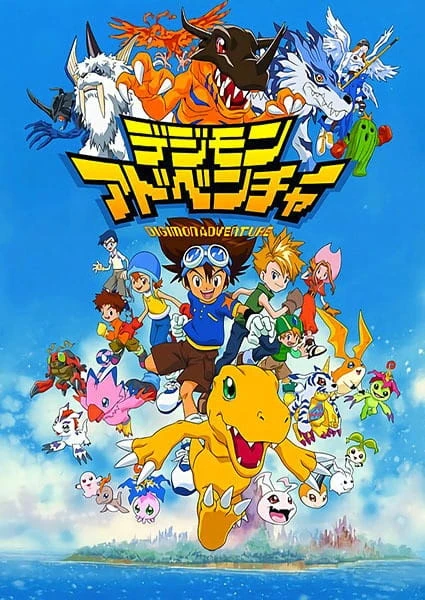
 digimon cards Best Formats to Buy Singles Packs Decks or card collection