
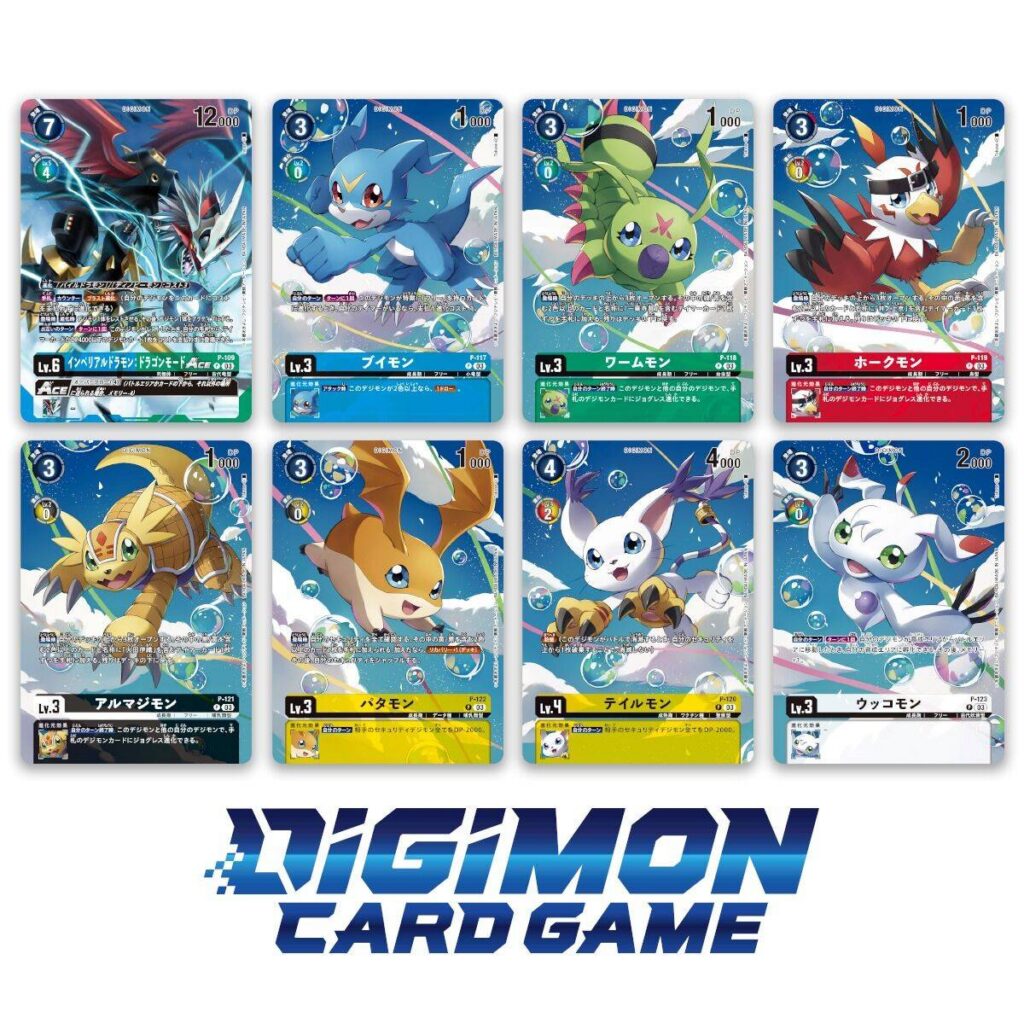
Digimon cards are easier to compare when the buyer starts with a reason instead of a price. Some people want a favorite Digimon, some want a giftable card, some want a clean artwork piece, and some want cards that connect into a small collection theme.
In practice, that reason changes the standard. A casual fan may want recognizable art and safe delivery. A collector may care about set, language, card number, finish, and condition. Instead, a player may care about usefulness in a deck before display value.
Choose the Digimon Card Reason First
That reason changes the standard. I would keep those paths separate. It makes the advice feel more like a real buying decision and less like a repeated trading-card checklist. For Digimon Cards, the safest comparison starts with the exact format: single card, sealed pack, booster box, starter deck, lot, graded copy, or binder piece. Each format carries a different mix of surprise, control, play value, and collector value.
For example, condition photos matter more than strong wording. Clear front and back shots, corners, edges, surface, centering, foil shine, and packaging protection make digimon cards much easier to judge before checkout. If the evidence feels thin, compare another Digimon Cards option with clearer front and back photos before treating the price as the deciding factor.
A gift copy of Digimon Cards can be simpler than a collector copy. The gift needs recognizable artwork and safe delivery, while the collector copy needs sharper version details and cleaner condition evidence. If digimon cards remains clear after checking the details twice, the choice is usually stronger.
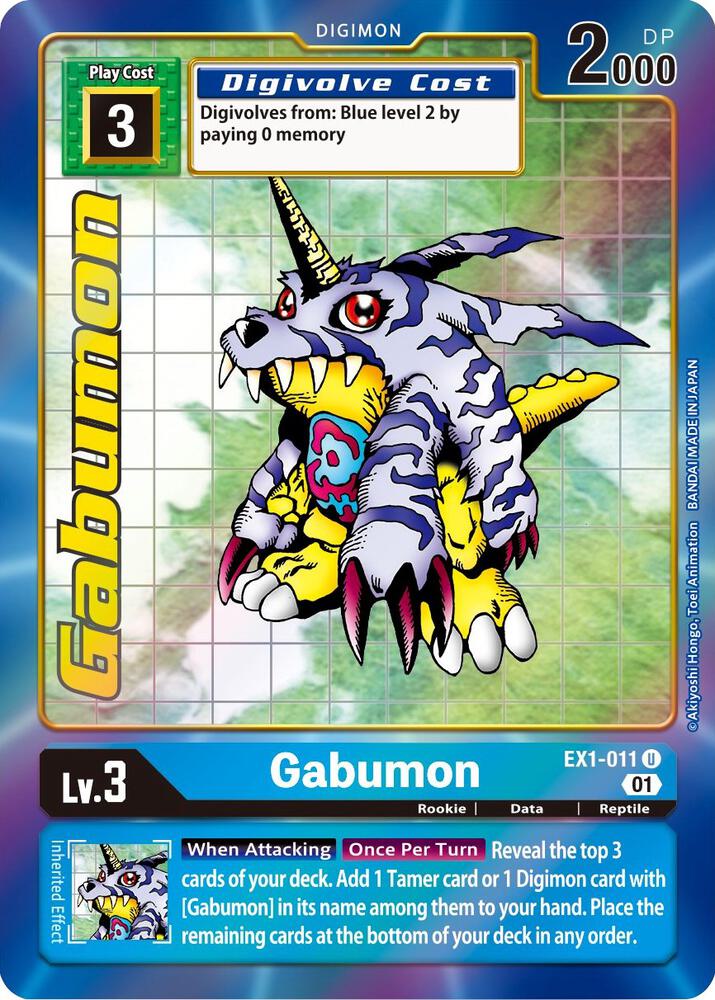
Still, a stronger Digimon Cards choice comes from matching the item to one real moment after delivery. Shelf display, daily use, gifting, collecting, and first-time buying all create different standards, so the product should be judged by the way it will actually be used.
Favorite Evolution Lines Make Better Collections
Digimon cards often feel strongest when they connect across forms. A single Agumon card can be fun, but a group that leads toward Greymon, MetalGreymon, WarGreymon, or Omnimon can feel more intentional in a collection. The same idea works for other favorites too. A buyer might build around one partner Digimon, one color, one set, one illustration style, or one memorable era from the franchise. That personal link makes the card easier to keep long term.
Also, a good listing should make that connection possible by naming the exact card and showing enough detail. If the version is vague, the collection reason becomes weaker. Card value becomes easier to judge when the exact version is named. Artwork, rarity, language, promo status, and front/back condition can change the whole purchase.
Shipping protection is part of the value for digimon cards. A sleeve, top loader, team bag, cardboard support, or rigid mailer can protect the card from the damage that ruins an otherwise good choice. I would also keep the visual side in mind. For digimon cards, images, styling, condition, pose, or presentation can change trust faster than a broad claim ever could.
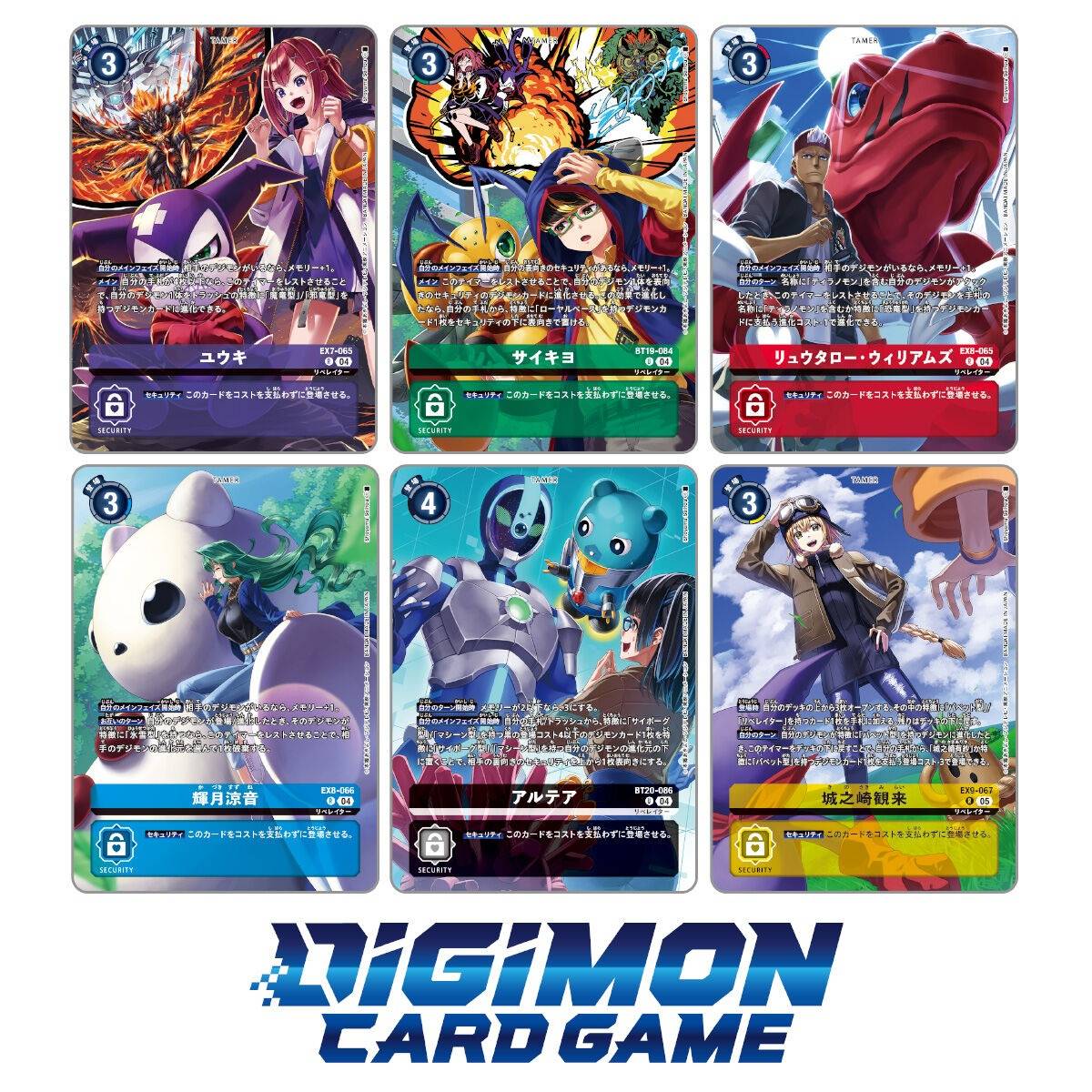
That said, that kind of slower judgment makes the topic feel more real because personal taste stays connected to visible proof. For Digimon Cards, this detail still belongs to the same decision: look for clearer photos, believable condition notes, the exact version, and a use case that matches the buyer before treating price as the main reason to choose.
Front, Back, Corners, and Surface Proof
Related Reading
The front of a Digimon card tells the emotional story, but the back often tells the condition story. Whitening, dents, edge wear, pressure marks, and surface scratches can hide until the buyer asks for clearer photos. Corners deserve special attention because even small wear changes how a card feels in a sleeve or display setup. Surface marks matter too, especially on shinier cards where scratches can appear only under certain light.
Instead, I would rather buy from a plain listing with honest photos than a dramatic listing that hides the back. Cards are small, so proof matters. A player copy and a collector copy do not need the same standard. A playable card can have light wear if the price is fair. Meanwhile, a display or binder copy needs cleaner eye appeal and better protection.
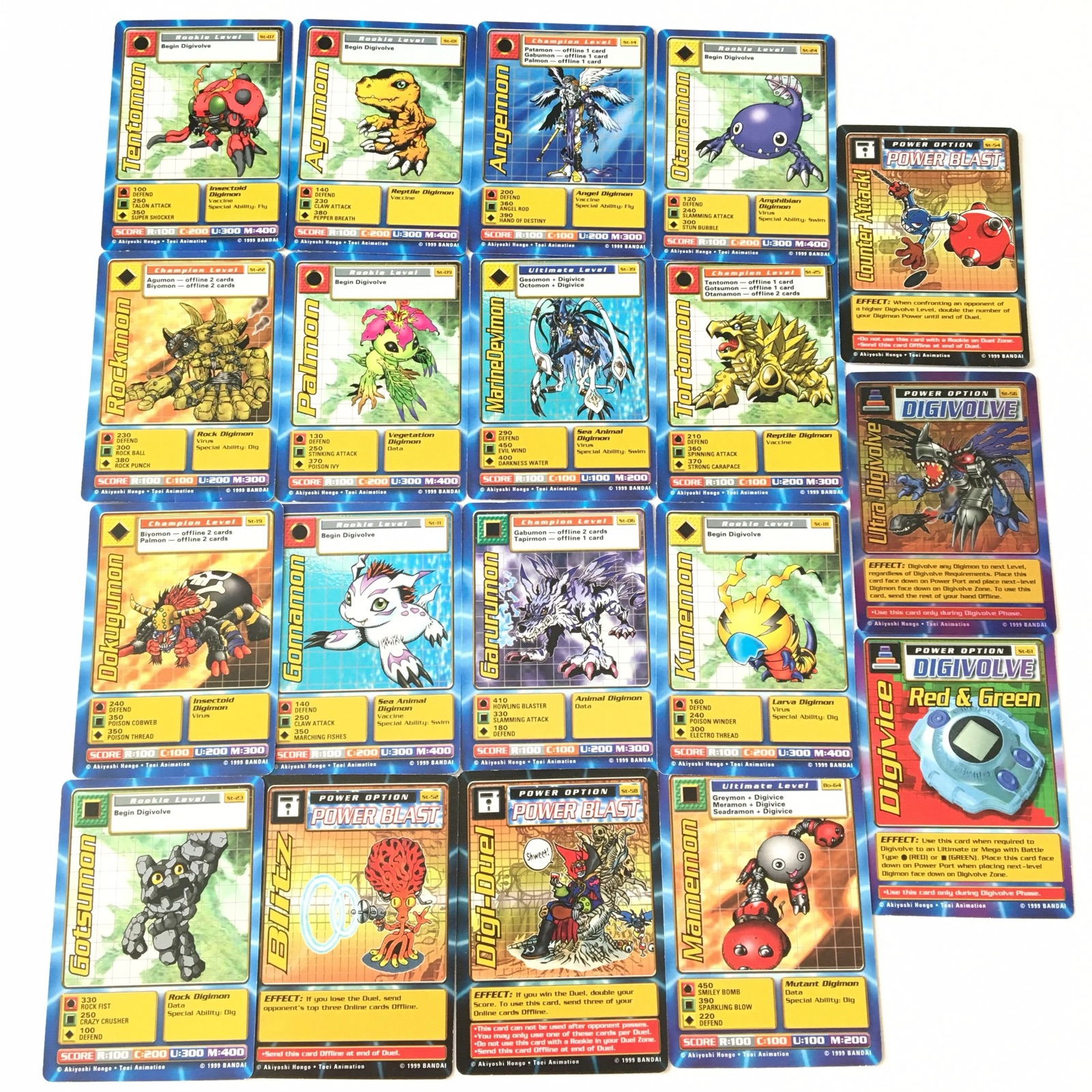
The most trustworthy digimon cards option answers small questions clearly. Exact photos, version names, card condition, packaging, and shipping protection work together instead of appearing as isolated filler. When two Digimon Cards options look close, I would choose the one that shows the exact item and explains condition plainly. A calmer listing with better proof usually beats a flashier listing with gaps.
Singles, Lots, and Sealed Sets Ask Different Budgets
Before buying, a single Digimon card is best when the buyer wants one exact character, artwork, or missing collection piece. A lot can be useful for casual collecting, but only when the photos and description make the included cards clear. Sealed products create a different kind of value. They are better for opening, gifting, and excitement. But they are less predictable if the buyer is chasing one specific card.
Budget should follow the format. Paying more for control can make sense with a specific single. Paying for surprise makes more sense when the opening experience is part of the fun. Sealed Digimon Cards products are better for the opening experience, while singles are better for a precise target. That tradeoff keeps the purchase realistic instead of treating every card option as equally useful.
In practice, a stronger card paragraph can compare two realistic paths instead of repeating checks. One path favors excitement and surprise, while another favors exact singles, cleaner condition, and long-term collecting value. Version names also matter for digimon cards. Similar artwork can belong to a different set, rarity, language, or promo release, and that small difference can change the whole collector reason.
I would compare Digimon Cards by what the buyer can verify. If the listing proves the design, condition, size, and practical use, it becomes easier to trust. If it hides those basics, another option is usually worth checking.
Gift Cards Need Clear Artwork and Safe Packing
For example, a Digimon card gift does not need to be the most expensive card in the search result. It needs recognizable artwork, clean presentation, and packaging that protects the card from bending or corner damage. If the buyer does not know the recipient’s favorite Digimon, a familiar character or sealed product may be safer. If they do know the favorite, a cleaner single can feel more personal than a larger mixed lot.
Gift timing also matters. A card that arrives late, bent, or loosely packed can ruin the whole idea, so shipping notes and seller reliability deserve attention. Shipping should match the card value. Sleeves, top loaders, cardboard support, team bags, rigid mailers, and tracked shipping can protect the condition that made the listing attractive in the first place.
Still, good digimon cards advice slows down around the card’s future use. Opening packs, building a deck, protecting a binder page, and giving a sealed gift all change the value of condition, rarity, and shipping protection. For Digimon Cards, I would compare the exact format before price. A sealed pack, starter deck, single card, graded copy, and binder card all create different expectations, so the better choice starts with the goal.
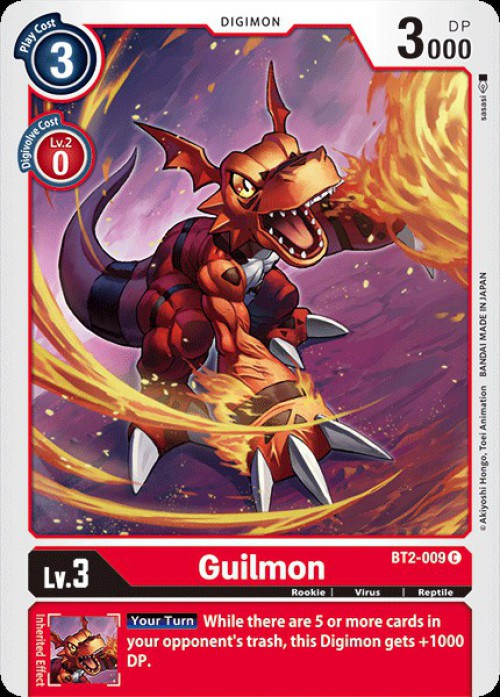
The final decision around digimon cards should feel specific rather than rushed. The right item has a clear role, a visible reason to appeal to the fan, and enough proof that the buyer is not relying only on the keyword.
The Card Listing I Would Trust
Also, the Digimon cards listing I would trust shows the exact card or product, names the version clearly, gives front and back condition proof, and explains how it will be packed. That combination answers the questions that matter before checkout. If a listing relies only on words like rare, collectible, or mint without showing evidence, I would compare another option. Good card buying is not about trusting hype; it is about matching artwork, condition, version, and delivery proof.
The final choice should feel specific. The buyer knows why the card matters, what condition it is in, and how it should arrive. That is what makes the purchase feel safe instead of lucky. When two digimon cards listings look similar, the safer one usually shows the exact card, both sides, clear corners, and believable shipping protection.
That said, the better angle for digimon cards is not another checklist line. A sealed product, a single card, a starter deck, and a binder copy all create different expectations, so the real collecting or play goal comes first. Clear details make digimon cards easier to judge before checkout.
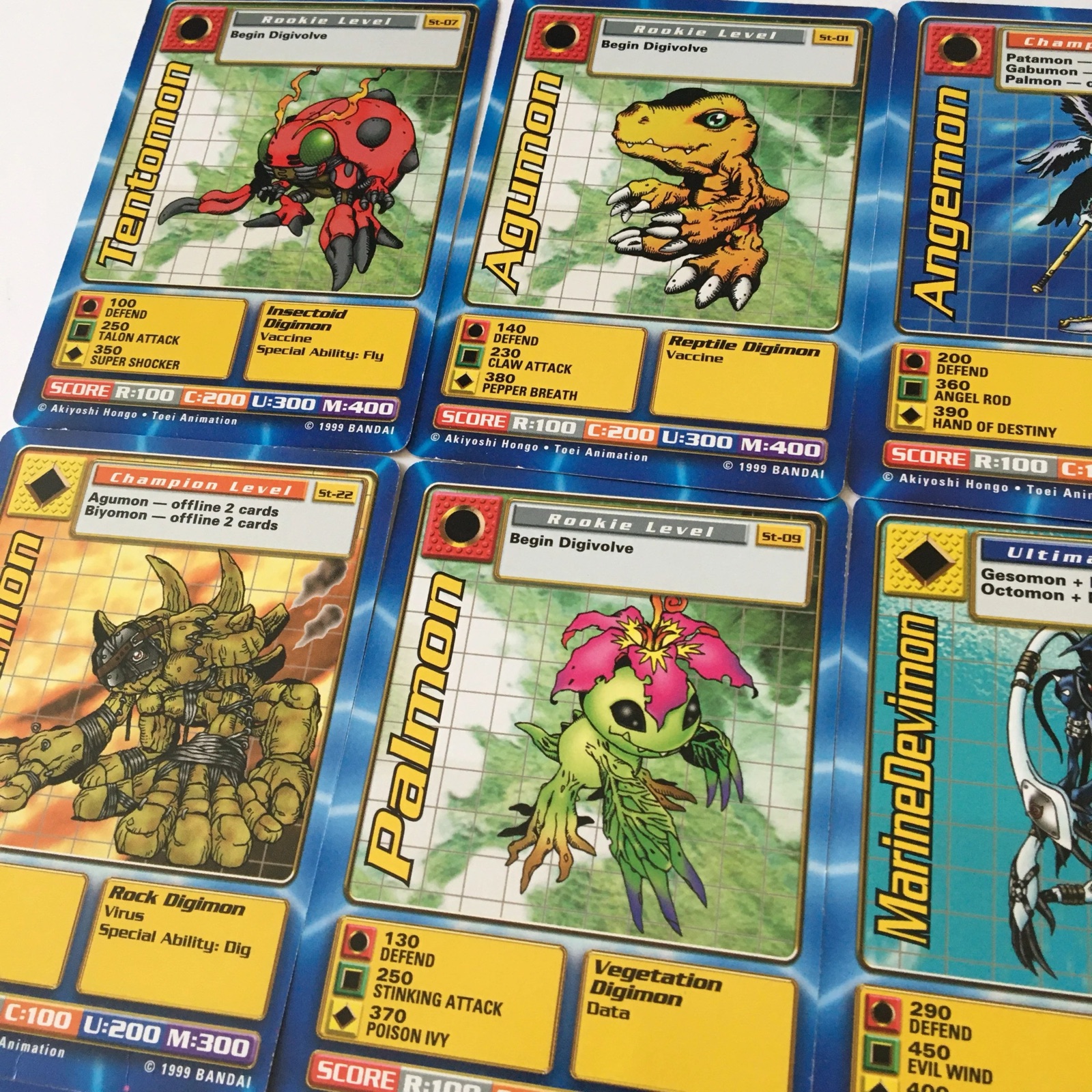
For digimon cards, clear evidence matters more than a loud title. Actual photos, size details, condition notes, included pieces, packaging, and seller transparency help the buyer understand the item before price becomes the only deciding point.
FAQ
What should I check before buying Digimon cards?
Look for exact front and back photos, set or card number, language, rarity, condition notes, and clear shipping protection.
Are Digimon cards better as singles or packs?
Singles are better for a specific binder goal or gift. Meanwhile, packs are better when the buyer wants the surprise of opening.
What makes a Digimon card listing trustworthy?
A trustworthy listing shows the actual card, explains condition honestly, and protects corners, edges, and surface during shipping.
Want to discover more quality products? Visit our online store.